Galangal is a rhizomatous herbaceous plant in the Zingiberaceae family, the same family as ginger. It originates in Southeast Asia but is grown around the world.
It has a peppery, earthy flavour and is used as a spice in many countries. It is also used in traditional medicine to treat various conditions.

Properties of galangal
It is rich in nutrients, including:
- Vitamin C
- Vitamin B6
- Potassium
- Magnesium
- Manganese
It also contains compounds with antioxidant, anti-inflammatory and antibacterial properties.
Health benefits of galangal

Its benefits include:
- Improved digestion
It helps relieve indigestion, bloating and gas. It also stimulates the production of saliva and gastric juices, helping food digestion.
- Supporting the immune system
Its antioxidant properties help protect cells from damage caused by free radicals. Its antibacterial properties also help fight infections.
- Pain reduction
Its anti-inflammatory properties help reduce pain, inflammation and swelling. It has been shown to be effective for arthritis pain, headaches and muscle pain.
- Heart protection
It helps reduce LDL cholesterol and triglycerides, which may protect the heart against disease. It also helps increase HDL cholesterol, which can help remove LDL cholesterol from the body.
- Improved mental well-being
Its stimulating properties may improve mood, concentration and memory. It may also help reduce stress and anxiety.
How to consume galangal
It can be consumed in several ways, including:
- In cooking
Use it as a spice in dishes such as curries, soups and salads, grated, chopped or sliced.
- As an infusion
Make an infusion by adding a teaspoon of grated root to a cup of boiling water. Leave it to steep for ten minutes, then strain.
- As a supplement
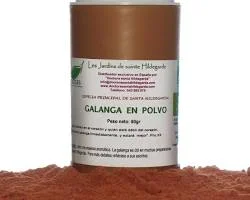
It is also available as supplements, such as capsules or extracts.
Precautions
Although generally safe for most people, it may cause mild side effects such as nausea, vomiting or diarrhoea in some individuals.
Conclusion
Galangal is a herbaceous plant with several health benefits. It provides nutrients and bioactive compounds and has demonstrated digestive, anti-inflammatory, antibacterial, pain-relieving, heart-protective and neuroprotective properties. It can be consumed in cooking, infusions or supplements.