Technological advances are constantly changing our lives. In recent years, drones have emerged as a new tool in gastronomy, taking on the role of waiters. These small unmanned aircraft have entered the market and are making a significant mark on the way food and drinks are served.
Benefits of drones in the restaurant industry
Automation and efficiency
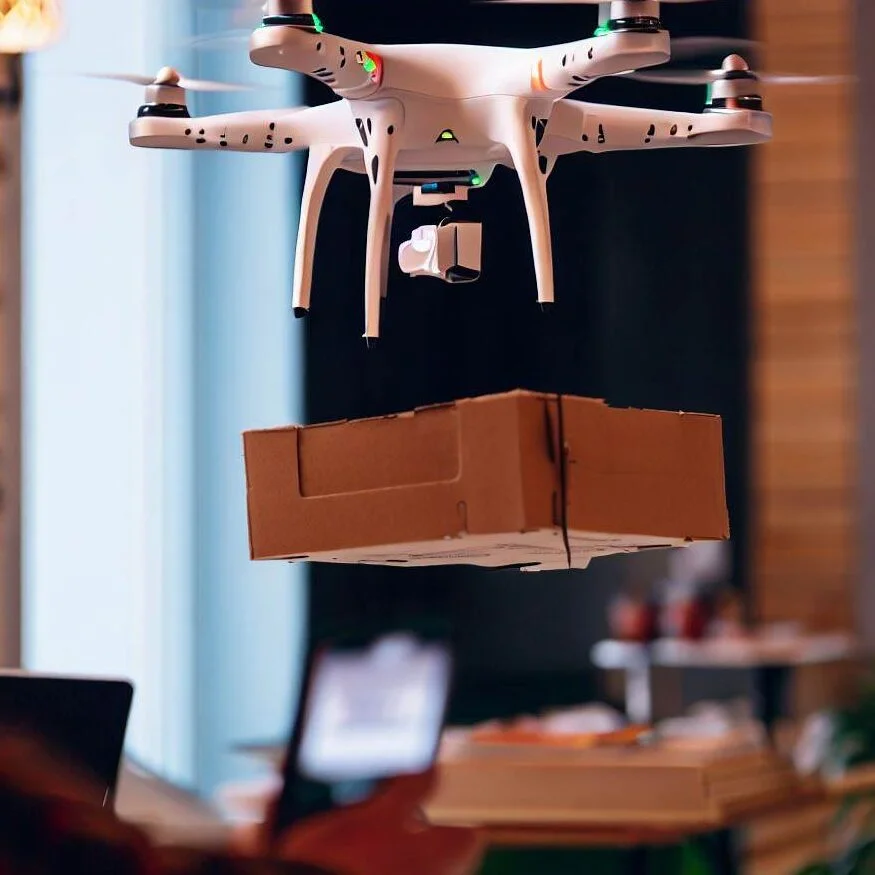
They provide efficient automation for delivering food and drinks in restaurants and bars. Their flight capability and precise navigation allow them to transport orders quickly and safely from the kitchen to the customer’s table. This reduces waiting times and improves service efficiency.
An innovative customer experience
Introducing drones creates an innovative experience for diners. Delivering food and drinks by drone adds surprise and excitement, which can be particularly appealing to younger customers and those looking for something distinctive.
Greater reach and speed
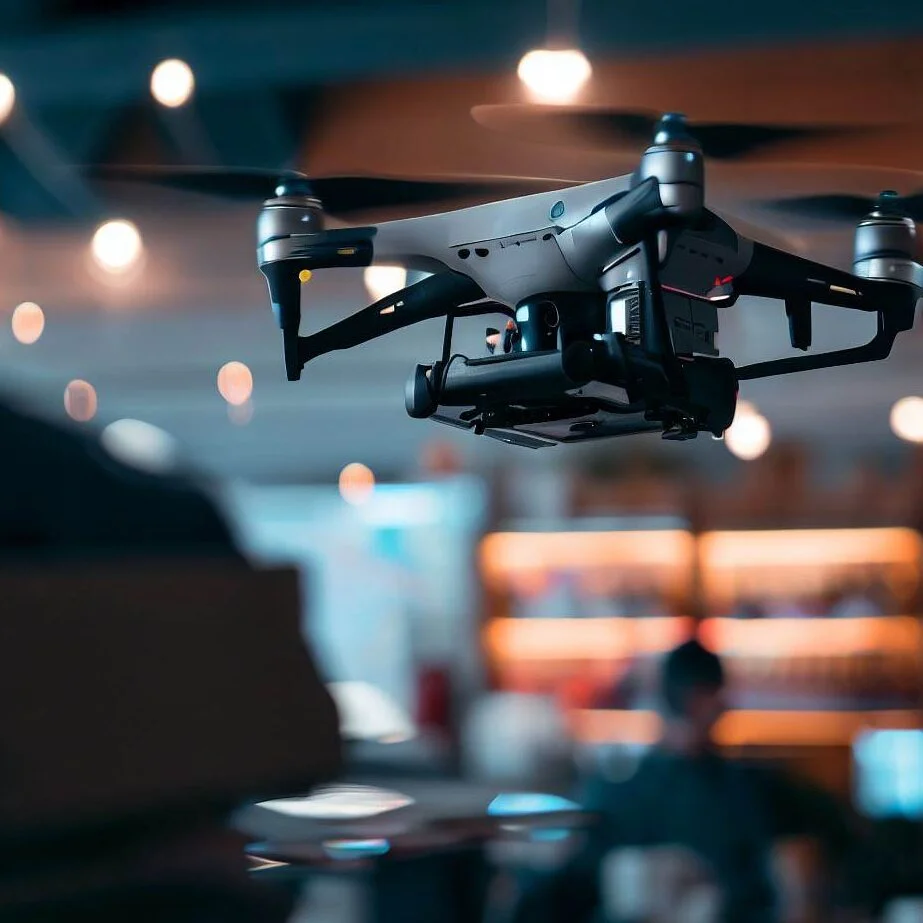
Drones can reach remote or difficult-to-access places more quickly and efficiently. This is particularly useful in rural areas or places with limited infrastructure. They can deliver food and drinks to isolated locations, providing a full service even where staff would struggle to arrive on time.
Cost reduction
Using drones in food service can help reduce long-term costs. Although the initial investment may be substantial, drones can operate autonomously and do not require wages, tips or employee benefits. Efficient deliveries can also optimise resources and reduce waste.
Challenges and considerations
Although drones promise a revolutionary solution for restaurants, there are challenges and considerations to address.
Regulation and safety
The use of drones in public spaces is subject to strict regulations. Government authorities must establish clear policies to ensure safety and prevent incidents. Restaurant and bar owners must also comply with legal requirements and obtain the necessary permits before introducing drones into their businesses.
Training and maintenance
Appropriate staff training is essential for safe and efficient operation. Restaurants must ensure that their teams are trained to handle drones and understand all necessary safety measures. Regular maintenance is also essential to ensure correct operation and extend their service life.
Adapting infrastructure for drones
Introducing drones into food service requires changes to existing infrastructure. Restaurants and bars need designated take-off and landing areas, as well as suitable storage and battery-charging systems. This means additional investment and may require changes to the design and layout of the premises.
Will drones replace waiters?
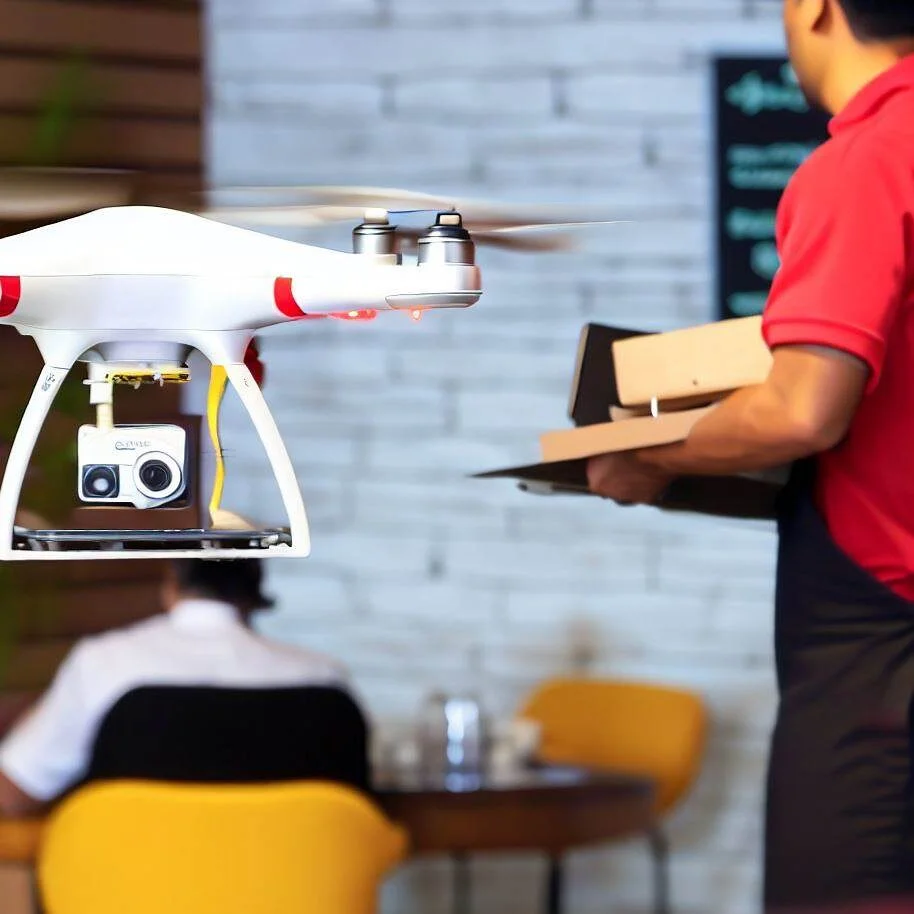
Drones are transforming hospitality by taking on the role of waiters. Automation, efficiency and innovative food and drink delivery make them valuable tools for improving the customer experience and optimising operations. However, implementation challenges such as regulation, staff training and infrastructure must be considered. With careful planning and appropriate execution, drones could make a difference to the future of the restaurant industry.