If you enjoy cooking, you have probably heard of Japanese knives, renowned for their excellent quality and design. Chefs and food enthusiasts around the world value them for their long history and prestigious reputation.
In this article, we explore their origins, characteristics and care.
History
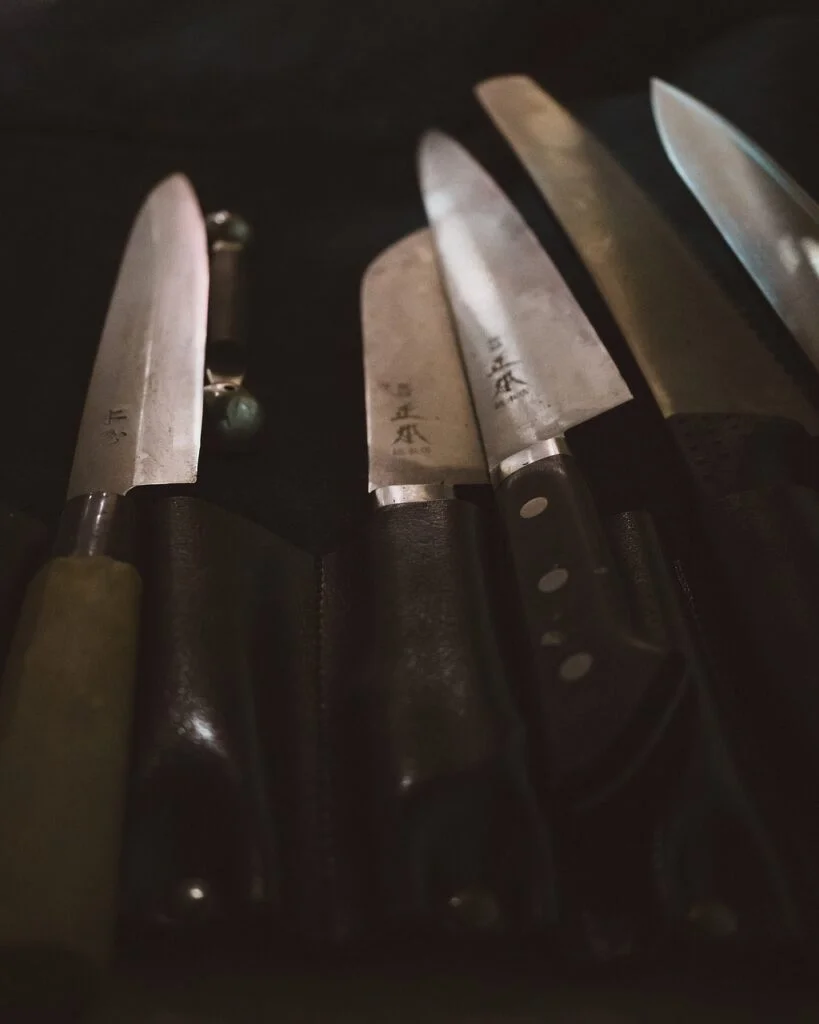
Their long history dates back to feudal Japan, when samurai used katanas in warfare, for self-defence and in certain ceremonies.
Over time, this tradition extended into the kitchen, and Japanese craftspeople began making high-quality knives. They were handmade using ancestral sword-making techniques and excellent materials, becoming symbols of prestige and elegance.
Today, they are valued worldwide and have become essential tools in many professional and home kitchens.
Types of knife
A wide range of knives is available, distinguished by design and purpose. Some of the most common are:
Santoku
One of the most popular types worldwide. It has a wide, straight blade with a slight curve at the tip and is used to cut meat, fish and vegetables.
Its versatility makes it comparable to a European chef’s knife.
Nakiri
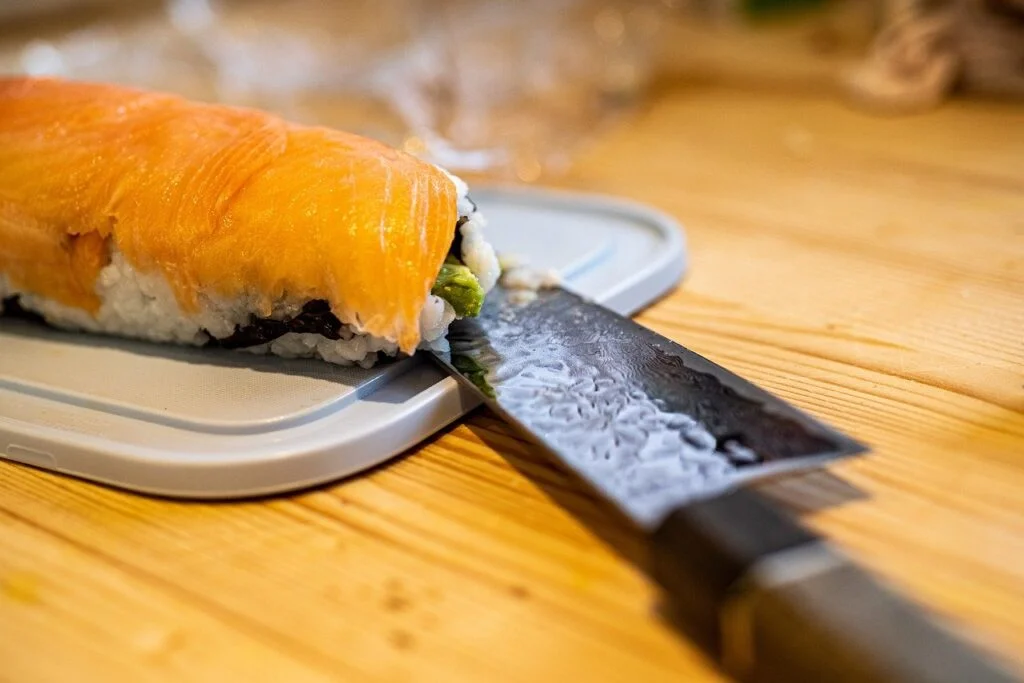
Used mainly to cut vegetables and fruit. It has a wide, straight blade with a square tip and a very sharp edge.
Deba
Ideal for cutting fish and seafood. It has a thick, sturdy blade with a rounded tip.
Yanagiba
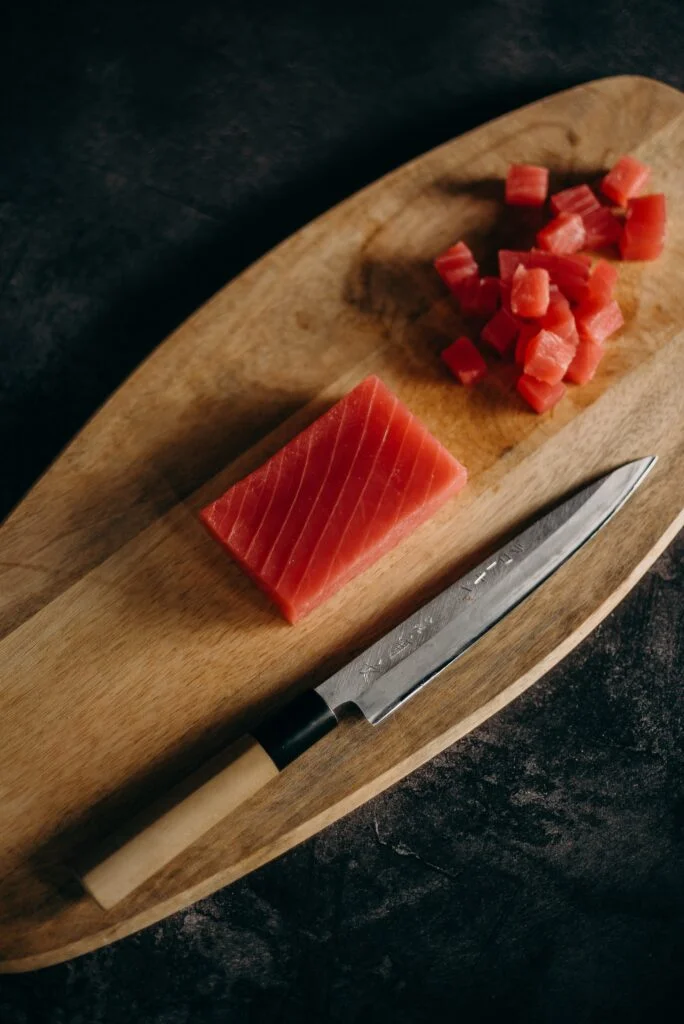
Designed especially for slicing raw fish. It has a long, narrow blade, a very sharp edge and a pointed tip.
Usuba
Used mainly to cut vegetables and fruit. It has a wide, straight blade and a square tip.
Characteristics of Japanese knives
They combine exceptional quality and design with outstanding precision. Some of their most notable characteristics are:
High-quality materials
They are made from materials such as carbon steel or stainless steel, combined with others such as iron or tungsten to create strong, durable blades.
Distinctive design
Their design combines functionality and elegance. Their shape is streamlined and designed to fit the cook’s hand comfortably.
Precision
Their extremely sharp edges allow precise, effortless cutting. Their balanced weight also provides better control and handling.
Care
Although very durable, these knives need care to maintain their quality and longevity. Here are some tips:
Cleaning
After each use, wash the knife with warm water and soap. Dry it carefully before storing it to prevent rust.
Storage
Always store it somewhere safe and dry. Avoid putting it in the dishwasher or leaving it to soak.
Sharpen regularly
To maintain the edge, sharpen the knife regularly using a whetstone or a suitable sharpener.
Conclusion
Japanese knives are essential tools for cooks and food enthusiasts. Their quality, design and precision make them distinctive. Understanding their purpose and caring for them properly is important to ensure their durability and effectiveness.