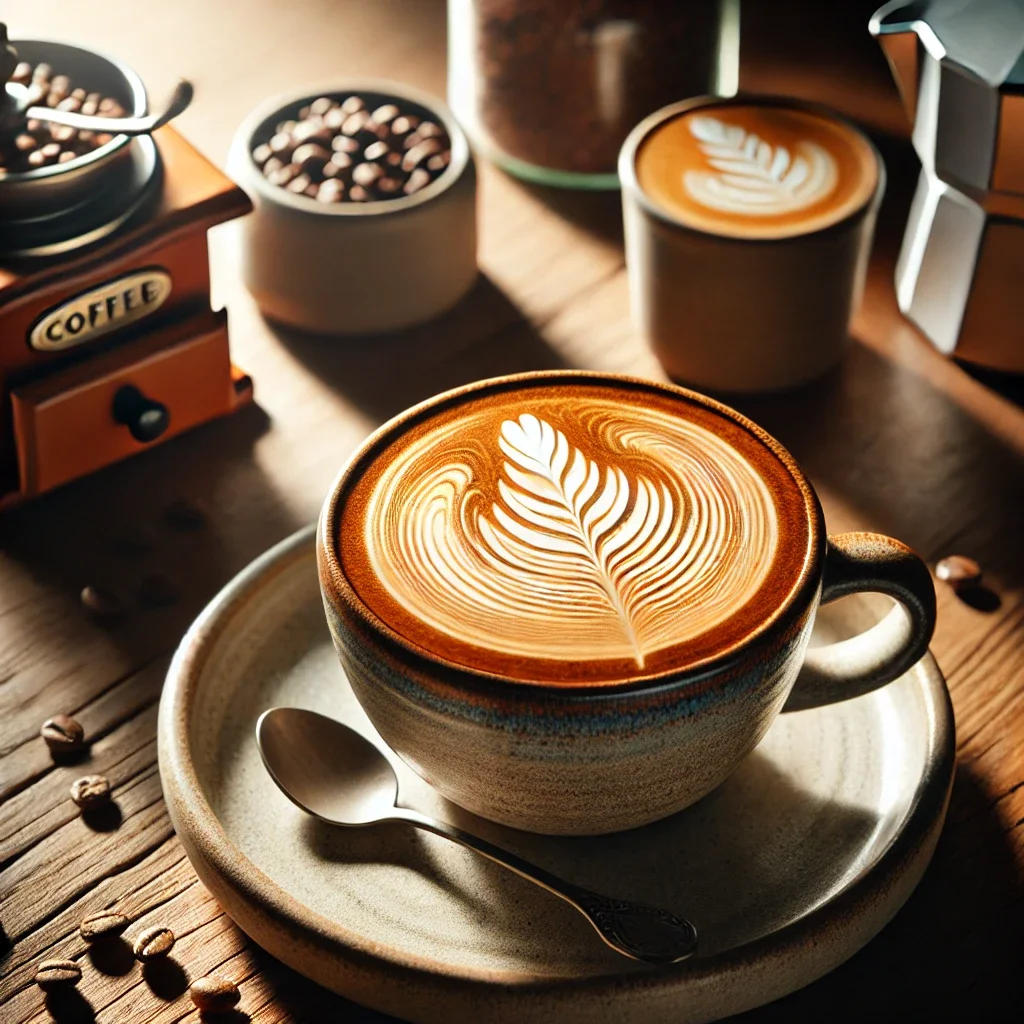
Specialty coffee has evolved from an exclusive choice for demanding coffee enthusiasts into a global trend changing how we perceive and enjoy this drink. This article explores what specialty coffee is, its worldwide impact and its rapid growth in Spain, where coffee culture is evolving at pace.
What is specialty coffee?
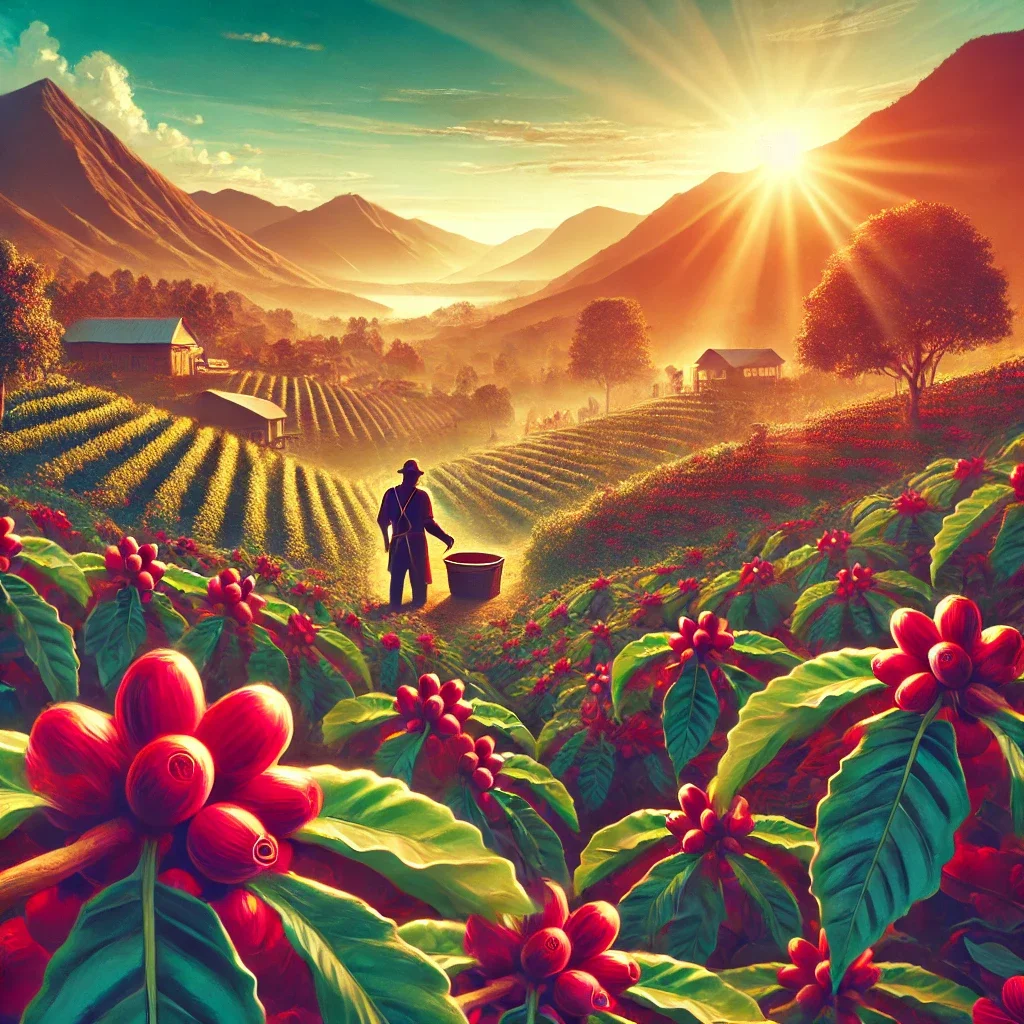
Specialty coffee refers to coffee scoring at least 80 out of 100 on a scale established by the Specialty Coffee Association (SCA). The rating considers bean quality, cultivation, harvesting, roasting and preparation. Unlike commercial coffee, specialty coffee is produced in small batches, prioritising traceability, sustainability and flavour.
The global specialty coffee trend
In recent years, specialty coffee has grown in popularity in cities worldwide. Boutique cafés, independent roasters and specialist fairs have encouraged the trend, attracting consumers who value a quality coffee experience. Sustainability, connections with producers and the search for distinctive flavours are changing consumption habits.
Some figures illustrate this growth: recent studies project the global specialty coffee market to grow at a compound annual rate of 9.2% through 2030. Melbourne, Seattle and Tokyo are already centres of this culture, while producing countries in Latin America and Africa are investing in technology and education to improve their processes.
Premium coffee in Spain: a new coffee era
Spain has a long coffee tradition, historically dominated by commercial coffee and traditional chains. Over the last decade, however, perceptions have changed dramatically. Madrid, Barcelona and Valencia are leading the movement through specialist cafés and local roasters.
- Single-origin coffees: more consumers seek coffee from specific regions such as Ethiopia, Colombia and Guatemala, valuing each origin’s distinctive flavour notes.
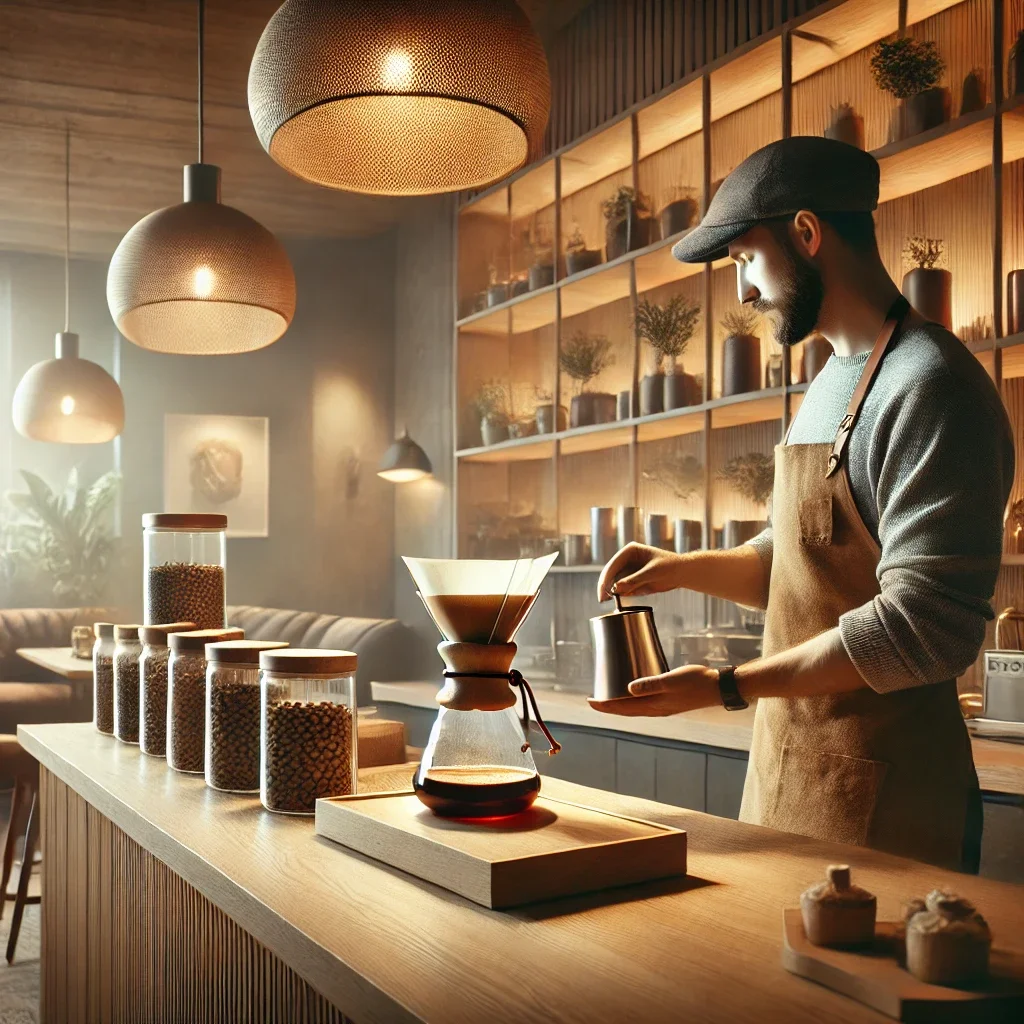
- Artisan preparation: methods such as V60, AeroPress and Chemex are becoming more popular in Spanish cafés and homes.
- Sustainability and fair trade: Spanish consumers are increasingly aware of the need to support coffee growers and choose sustainable options.
- Coffee education: workshops, tastings and barista courses are increasingly in demand, showing an interest in understanding the drink.
Impact on gastronomic culture
Specialty coffee is winning over cafés and fine-dining restaurants, where it forms part of the gastronomic experience. In Spain, coffee pairings with desserts or even main courses are increasingly familiar, taking the drink to a new level.
Conclusion
Specialty coffee is redefining how we enjoy coffee, offering a richer, more mindful experience. In Spain, the trend marks a turning point in coffee culture, attracting a new generation who value quality, sustainability and the story behind each cup. If you have not explored specialty coffee yet, now is a great time to start.
Frequently asked questions about specialty coffee
- Is specialty coffee more expensive? Yes, but the price reflects the quality, sustainability and care involved in production.
- Where can I find specialty coffee in Spain? In cities such as Madrid, Barcelona and Valencia, and online through specialist shops.
- How does specialty coffee differ from commercial coffee? The main differences are bean quality, production processes and the focus on flavour.
With this information, you are better prepared to join the coffee revolution. Explore it and share your experiences!