Have you ever thought about making a cake shaped like your house? With major advances in technology, the food sector is investing in new culinary processing methods. Food printing is now a reality. In this article, we explore what 3D food printing is, its benefits and its future prospects.
What is 3D food printing and how does it work?
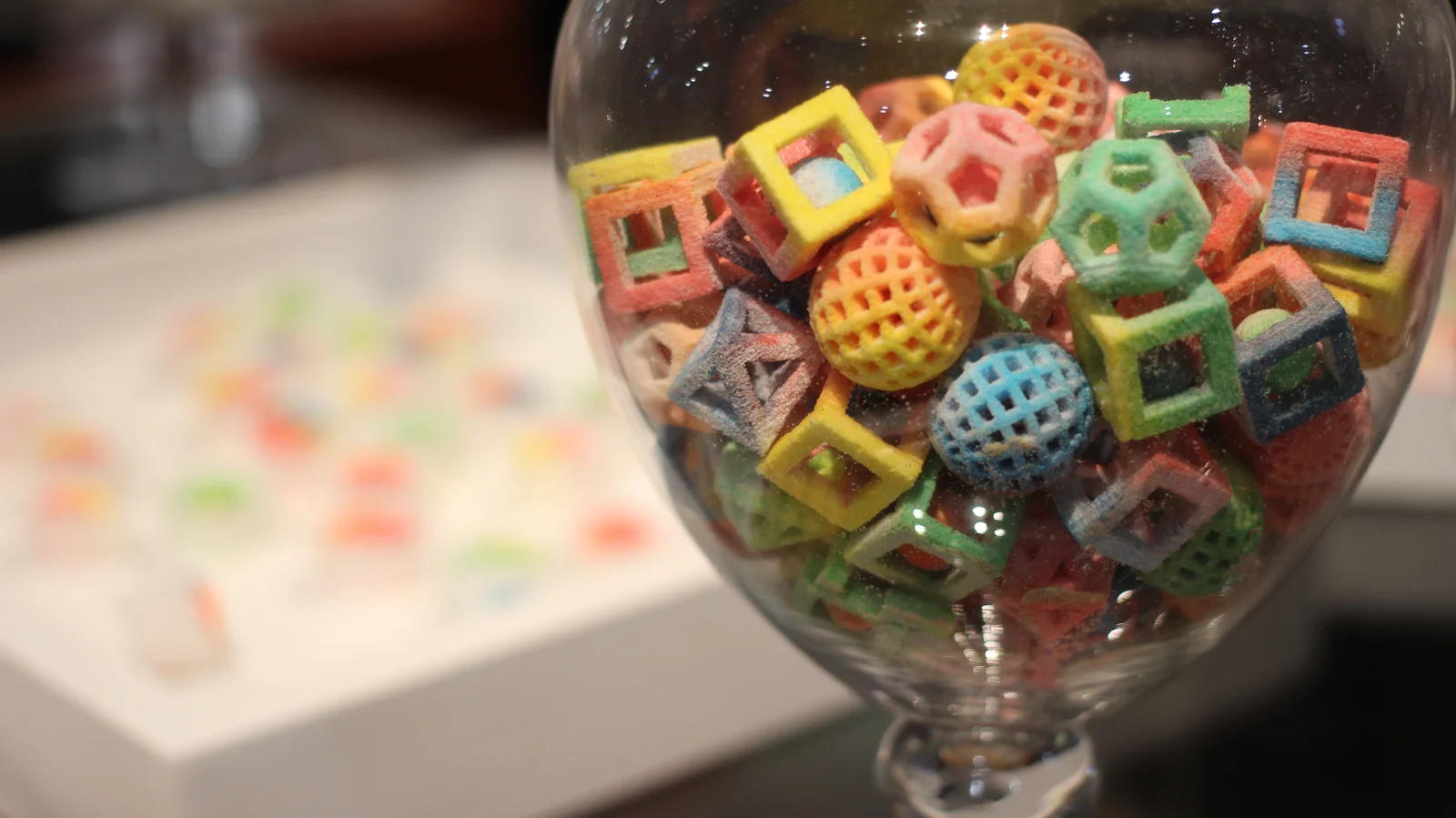
It is a process that produces edible food using a printer. Different ingredients are used to create specific shapes and textures designed with software, which sends the information to the printer for processing. The ingredients are then piped in successive layers to produce the desired form.
What are the benefits of 3D food printing?
Its use offers several benefits:
- Personalisation: the shape, texture, nutritional value and flavour of food can be customised. This allows dishes to be tailored to specific dietary needs and preferences, while also preventing cross-contamination.
- Sustainability: when used appropriately, it helps reduce food waste by using parts that are often discarded, such as vegetable scraps.
- Efficiency: it could deliver significant time and cost savings as printers become faster and more efficient, benefiting restaurants, industry and healthcare.
Current applications and future prospects
Following years of research and development, with a Spanish company among the pioneers, this technology already has several applications and an interesting future. These include:
- Personalised meals: methods are being developed to produce food for people with specific dietary needs or preferences, such as gluten-free, lactose-free or vegetarian dishes.
- Producing food for space travel: space missions use 3D-printed food to reduce transport costs and allow a more varied and nutritious diet than that available on early missions.
- Food for older people: textures can be designed to make food easier to chew and digest, improving nutrition and quality of life for this population.
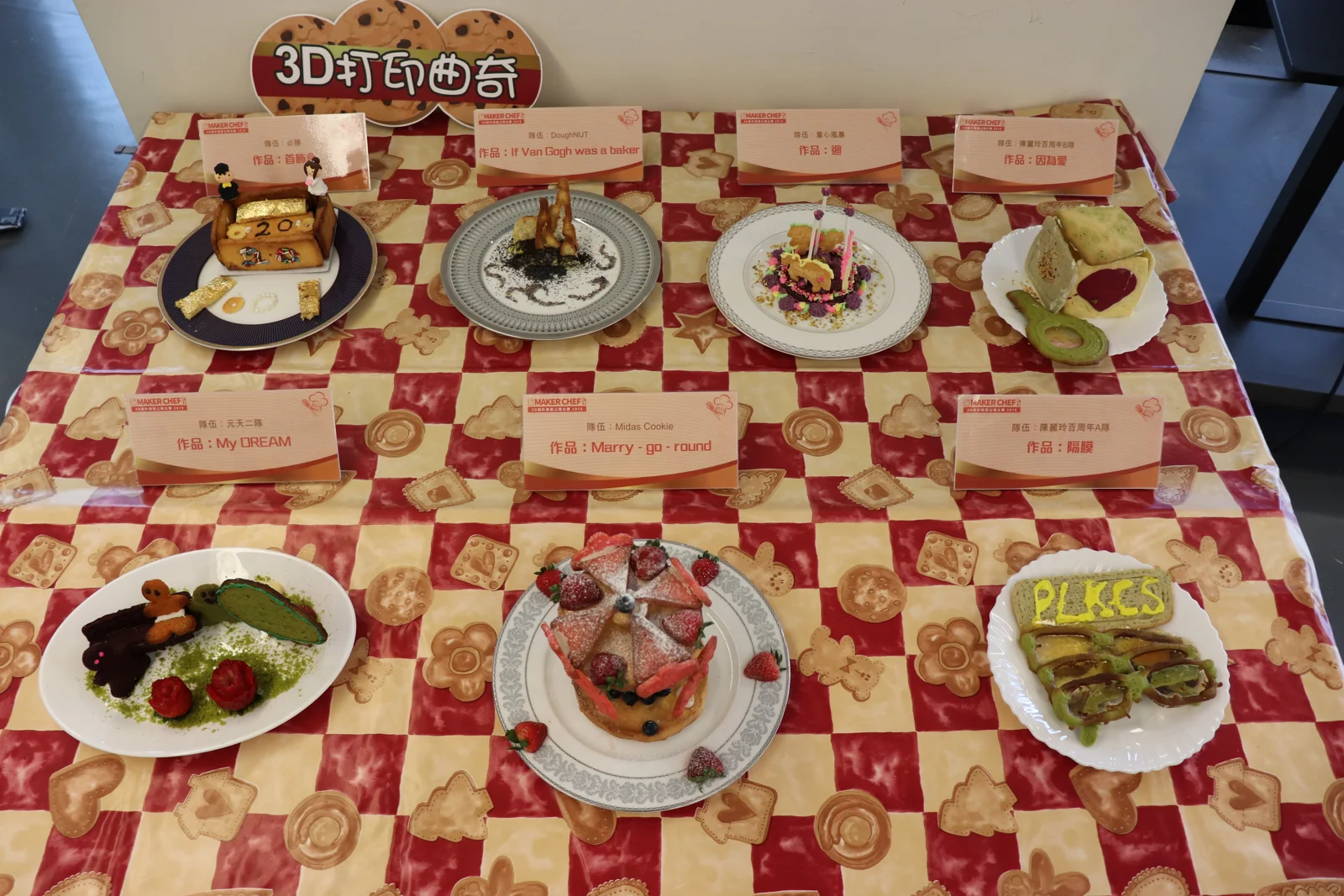
- Hospitality: the technology is beginning to be introduced to create food that offers guests a distinctive experience.
What are the main disadvantages?
- At present, 3D food printing is more expensive than conventional food production. Costs are expected to fall as the technology improves and becomes more affordable.
- The range of available printers is limited, with few models and, as mentioned above, high prices.
- Some training is required, so businesses wishing to adopt this equipment will need to find qualified staff or provide that training.
- Energy consumption is high, as these devices are not yet as efficient as other equipment refined over many years of development.
Conclusion
3D food printing is an innovative technology with the potential to transform the food and healthcare industries. It allows greater personalisation and more efficient food production, with possible benefits for consumers and producers alike. Although research and development still face many challenges, the technology is expected to have a major impact on the industry in the coming years.
For more information, visit these websites: