Gastronomy has been a fundamental pillar of culture and has evolved throughout history, from the discovery of fire to modern cooking. In this article, I invite you to travel back in time and discover its fascinating history.

Thousands of years ago, our ancestors discovered fire, marking the beginning of cooking. Fire transformed food, changing its flavour and texture while also helping the body absorb nutrients more effectively.
Over time, we learned to grow plants and domesticate animals, another major milestone. Agriculture made it possible to produce more food, leading to the development of more refined preservation and preparation techniques.
As the first civilisations emerged in different parts of the world, gastronomy became more complex and sophisticated. Ancient Mesopotamia, for example, developed irrigation systems and more advanced cooking techniques, including clay ovens and the use of spices. In ancient China, steaming techniques developed and rice began to be used as a staple food.
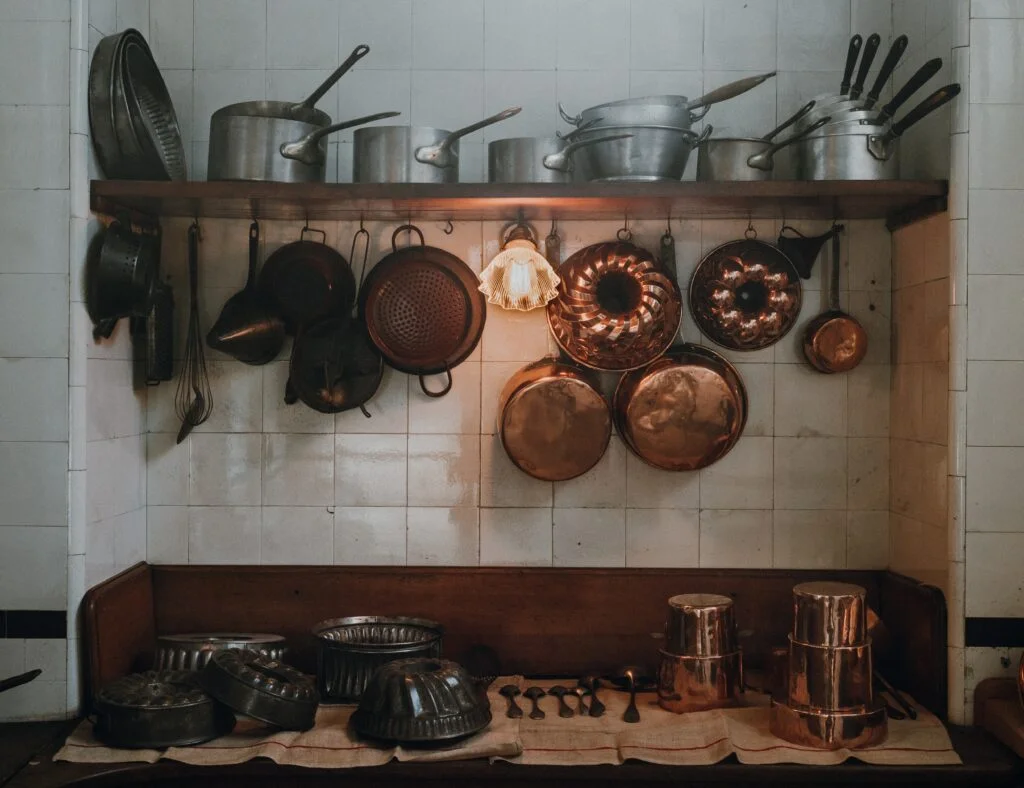
The Middle Ages brought a period of decline in Europe. The Renaissance improved certain aspects, with increased trade and the arrival of new ingredients and culinary techniques that helped overcome famine and various diseases.
The Industrial Revolution dramatically changed how food was produced and consumed. Machinery and industrialised production led to the development of fast food, with a significant impact on society.
From the nineteenth century onwards, cooking underwent a major evolution with the emergence of haute cuisine. Figures such as Auguste Escoffier and exclusive restaurants laid the foundations of contemporary cooking.
In the twentieth century, gastronomy continued to evolve with Nouvelle Cuisine, a movement seeking simplicity and freshness in ingredients. Globalisation also contributed to diversity, spreading ingredients and culinary techniques around the world.
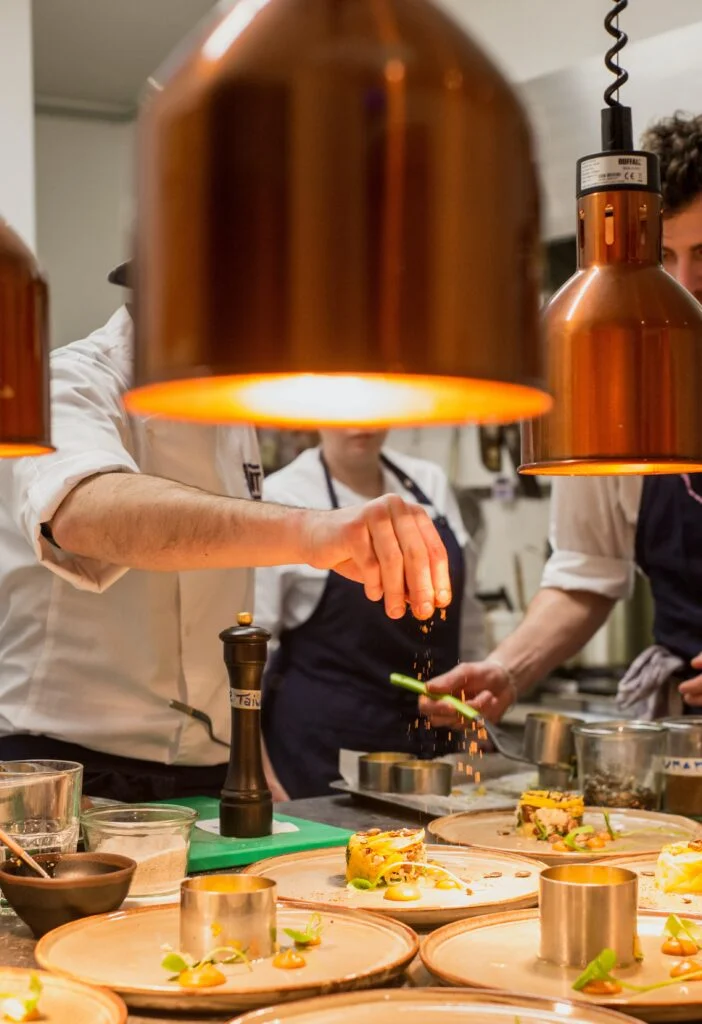
Today, gastronomy expresses the culture, creativity and innovation of each country. Chefs experiment with new ingredients, techniques and presentations to create distinctive, surprising dishes. Tradition is also valued, and the culinary heritage of earlier generations is being rediscovered.
Awareness of sustainability and responsible consumption is also taking hold. More businesses are actively participating by featuring local, seasonal ingredients on their menus, while reducing waste and using renewable materials.
The history of gastronomy is a fascinating journey from the discovery of fire to modern cooking. Every era has left its mark on the way we eat and cook, making contemporary gastronomy a blend of tradition, innovation and sustainability.
For more information on this subject, visit these websites: