Not everything sold as cheese is quite what it appears, so knowing how to identify it matters.
This food is known worldwide and has been a staple in many cultures for centuries. The ancient Greeks called it “a gift from the gods”.
In brief, the general production process consists of:
- Coagulating milk with animal or plant-based rennet.
- Cutting the curd according to the type of cheese.
- Pressing to remove the whey.
- Maturing to develop desirable flavours and aromas.
Guidelines for identifying good cheese
To choose a quality product and avoid dairy substitutes, consider the following steps:
Check the label
A quality cheese should contain three main ingredients:
- Milk, pasteurised or raw
- Lactic cultures
- Rennet, animal or plant-based
It may also contain salt, spices, vegetables and other ingredients. Avoid products containing additives such as stabilisers or similar ingredients.
Smell the product
If you have the opportunity, check for unusual or chemical aromas, which could indicate that it is actually a processed product.
Check the texture
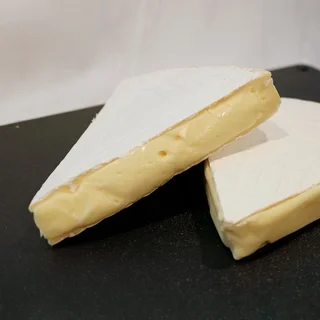
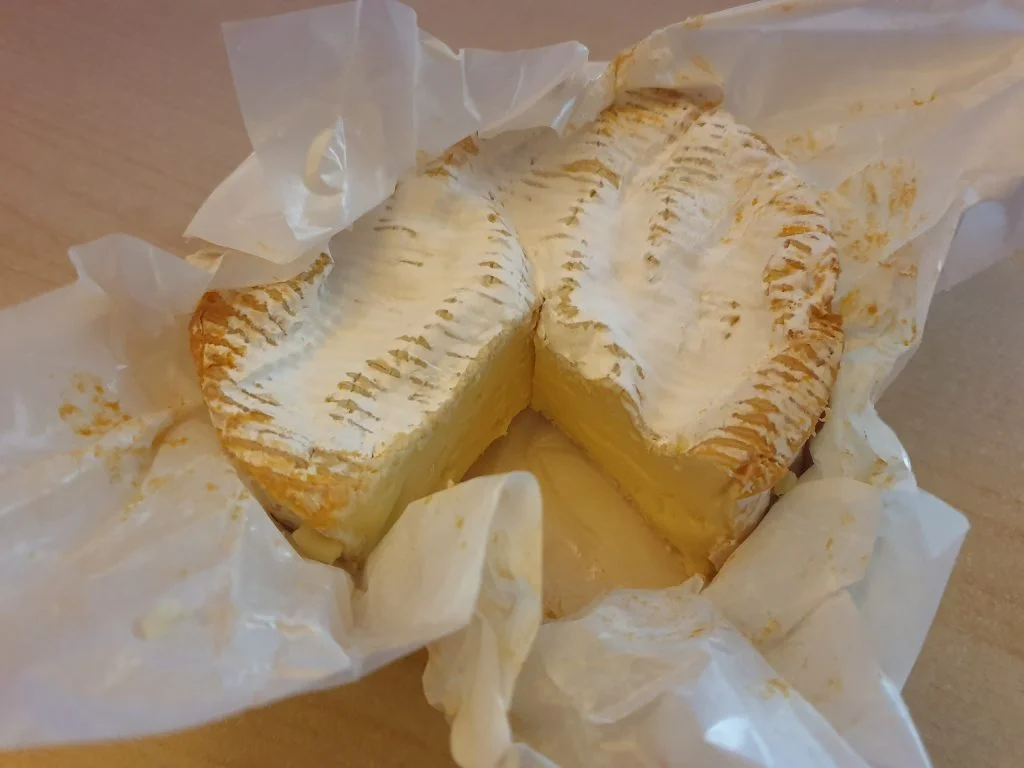
Looking at the food may reveal that it is not what you want. A very uniform texture and striking colour could indicate a lower-quality product.
Taste the cheese
Tasting the product can help determine whether it is suitable. Flavours that are unusually mild or very salty may raise questions about whether it is a processed product.
Choose local products
Buying local artisan cheeses helps ensure quality and avoid dairy substitutes, while also supporting local production and trade.
Cheese with real character
Following these steps can help you enjoy quality cheese while supporting small producers.
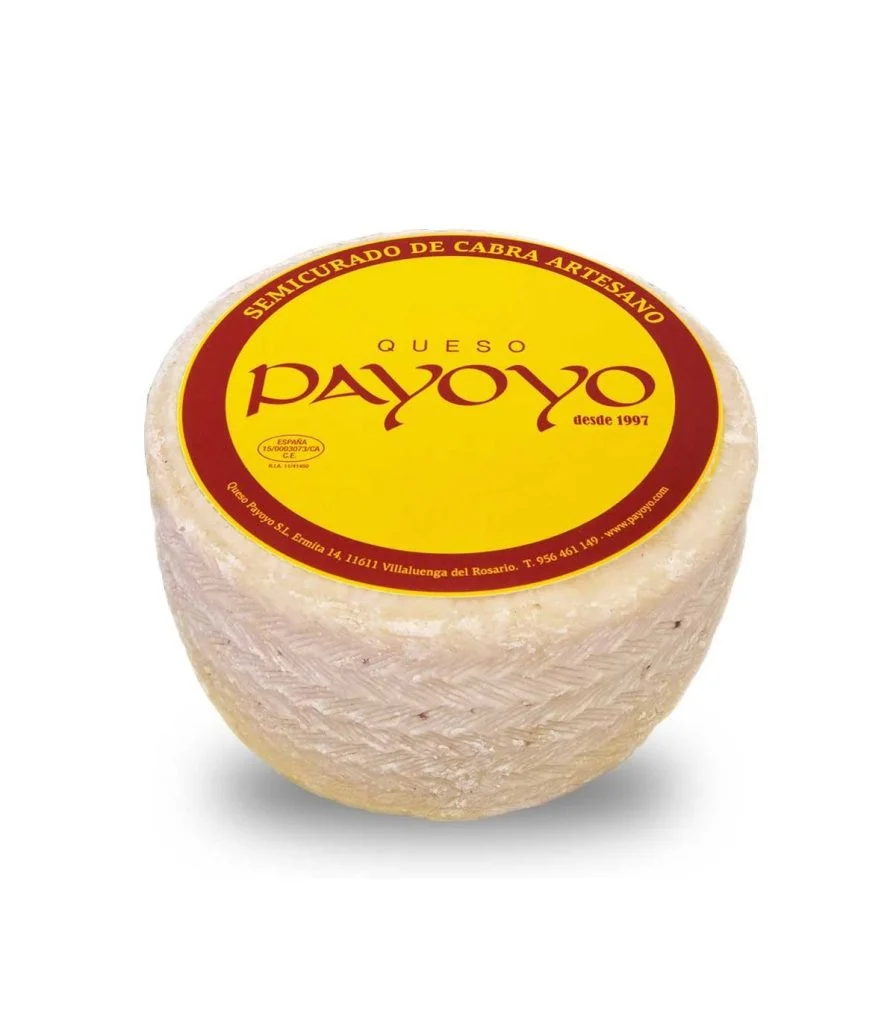
I would like to give a special mention to a cheese from my home region: Payoyo, made with the remarkable milk of the Payoya goat. If you have the opportunity, do try it.