Sourdough, a ferment made from flour and water, has won over palates and kitchens around the world in recent years. Beyond its delicious flavour, bread made with it offers health benefits that make it an appealing choice for more mindful eating.
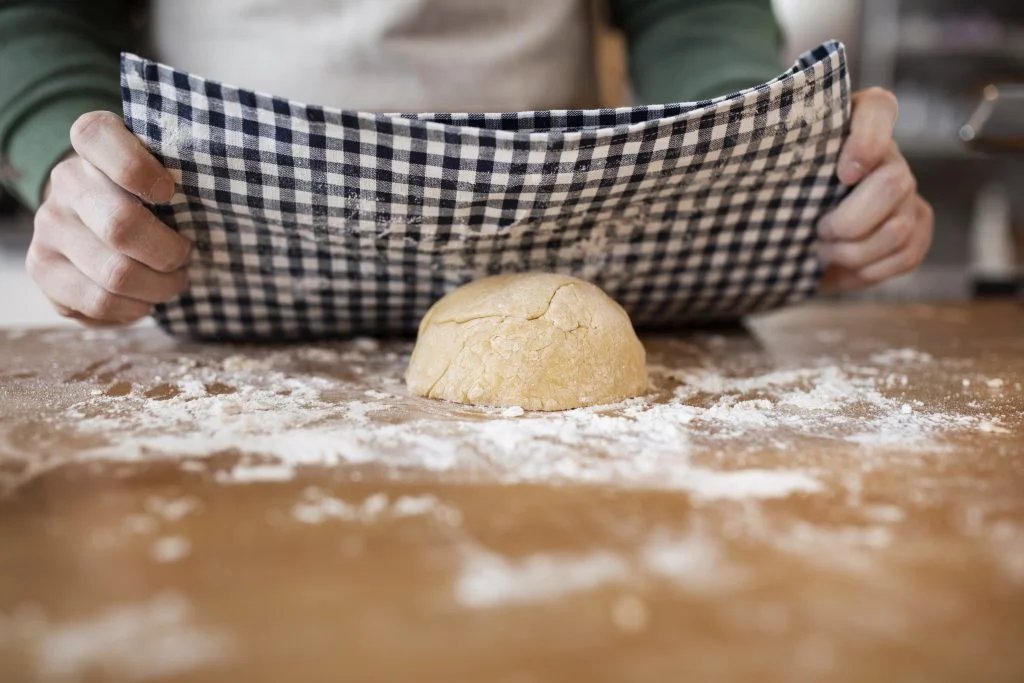
What is sourdough?
Unlike commercial yeast, sourdough is a living culture of bacteria and yeasts that feed on flour and water. Natural fermentation gives bread distinctive characteristics:
- Complex flavour and aroma: it develops a distinctive, slightly sour and fruity flavour and aroma, enriching the eating experience.
- A crisp crust and airy crumb: sourdough bread has a crisp crust and a light, fluffy interior, thanks to the action of yeasts and bacteria during fermentation.
- Better digestibility: studies suggest it is easier to digest than bread made with commercial yeast, because sourdough bacteria predigest some flour starches, making them easier for the body to absorb.
- Glycaemic index: it has a lower glycaemic index than white bread, releasing sugar into the bloodstream more slowly and steadily and preventing insulin spikes.
- Greater nutrient availability: natural fermentation increases the bioavailability of minerals such as calcium, iron and zinc.
- Immune support: beneficial sourdough bacteria may contribute to digestive function and strengthen the body’s defences.
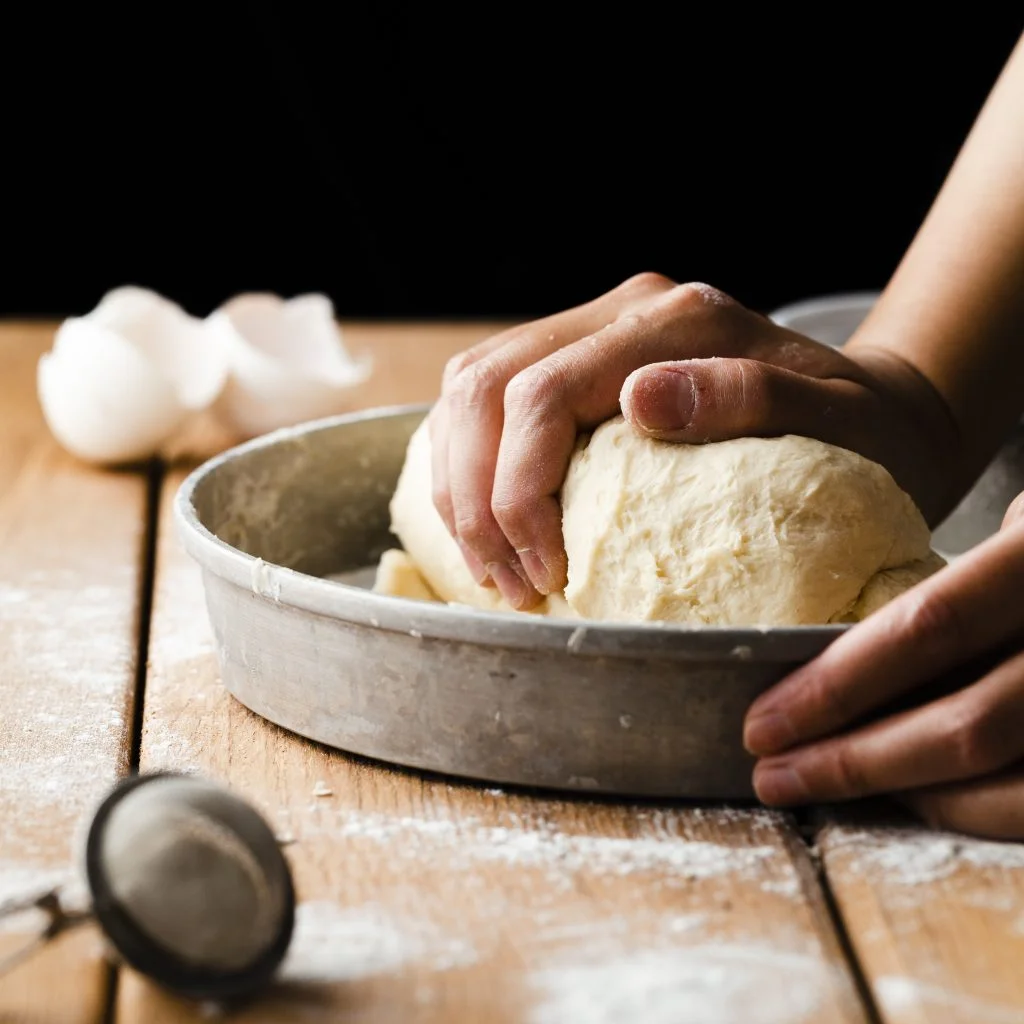
How to make sourdough starter at home
Making starter at home is straightforward and rewarding, allowing you to enjoy fresh, healthy bread with exceptional flavour. You only need:
- Wholemeal wheat flour: wholemeal flour provides more nutrients and flavour.
- Water: use filtered or mineral water at room temperature.
- A glass container: a glass jar or bowl with an airtight lid is ideal for keeping the starter.
Method:
- Day 1: mix 100 g of wholemeal flour and 100 g of water in the glass container. Stir until smooth. Cover and leave at room temperature, between 20 and 25°C.
- Day 2: check the starter. If it is bubbling and increasing in volume, it is ready to feed. Add 100 g of wholemeal flour and 100 g of water, mix well, cover again and leave at room temperature.
- Days 3–7: repeat feeding every 12–24 hours, depending on room temperature. The starter is ready when it doubles in volume within four to six hours of each feeding.
- Maintenance: once active, keep it in the fridge and feed weekly. Remove it a few hours before use and feed it to reactivate.
With a little consistency, you will have your own starter ready to make delicious, nutritious bread that will impress everyone. Explore the world of sourdough and enjoy its benefits.