Fortunately, sustainability will reach every sector, with a remarkable effect on the environment. We should all make an effort to implement systems that deliver economic returns while causing little or no environmental harm.
It is useful first to define sustainability. The Royal Spanish Academy defines “sustainable” as something that can be maintained over a long period without exhausting resources or causing serious environmental damage (RAE).
With this definition in mind, what can hospitality and tourism do to minimise their environmental impact?
Local, zero-kilometre food: this is a prominent approach to building a sustainable economy. It avoids the harm associated with transporting large quantities of ingredients while creating opportunities for local people and encouraging nearby economic growth.
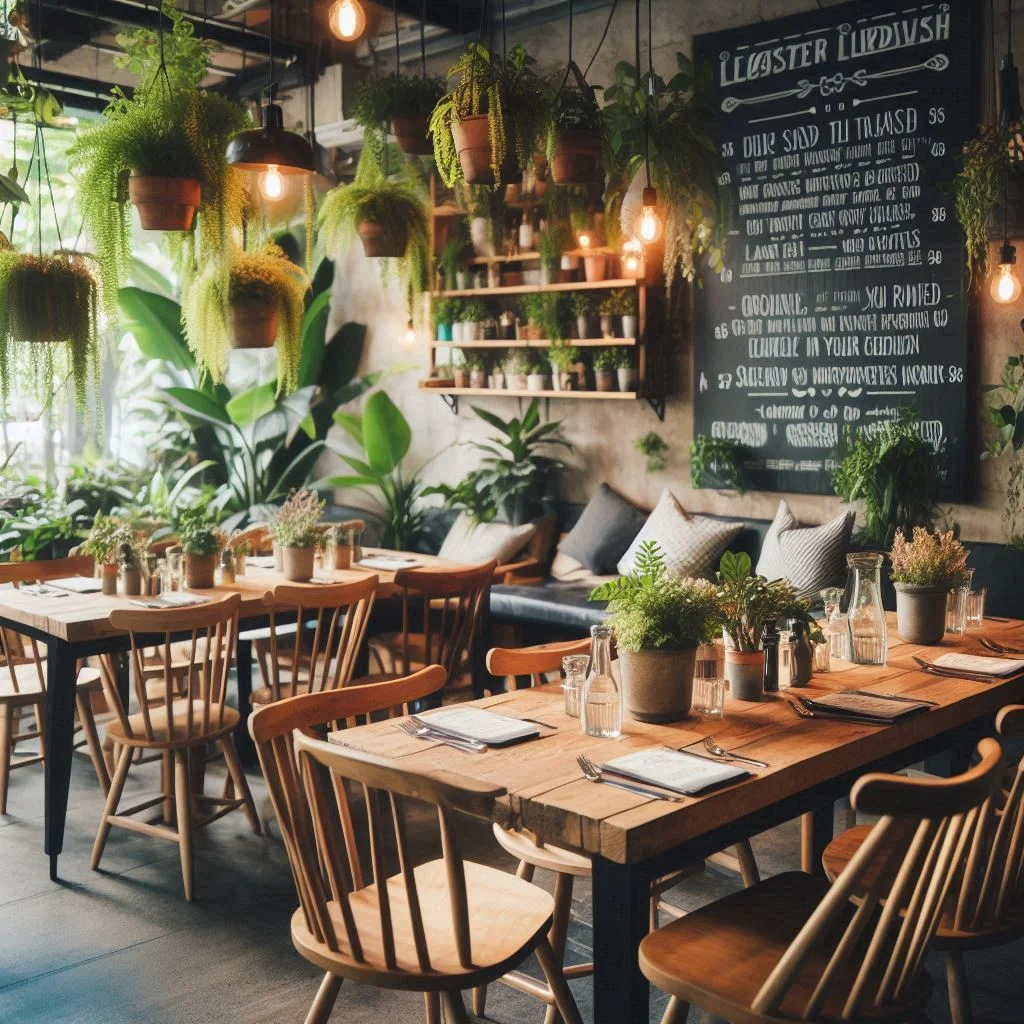
The circular economy: collaboration between businesses supports agricultural production areas where participants cooperate and exchange ingredients that one company cannot use but another can. This creates a more sustainable product for local hospitality businesses.
Zero waste: many businesses are adopting measures based on carefully examining how to use different foods fully, alongside reusable materials in the sector.
Eco-friendly infrastructure: when developing or renovating premises, businesses choose measures that reduce long-term costs and protect the environment. These include thermal insulation, more efficient lighting and more spaces with natural light.
Continuing along this path is essential to maximise the positive environmental impact that hospitality can generate.